
 Image 1 of 2
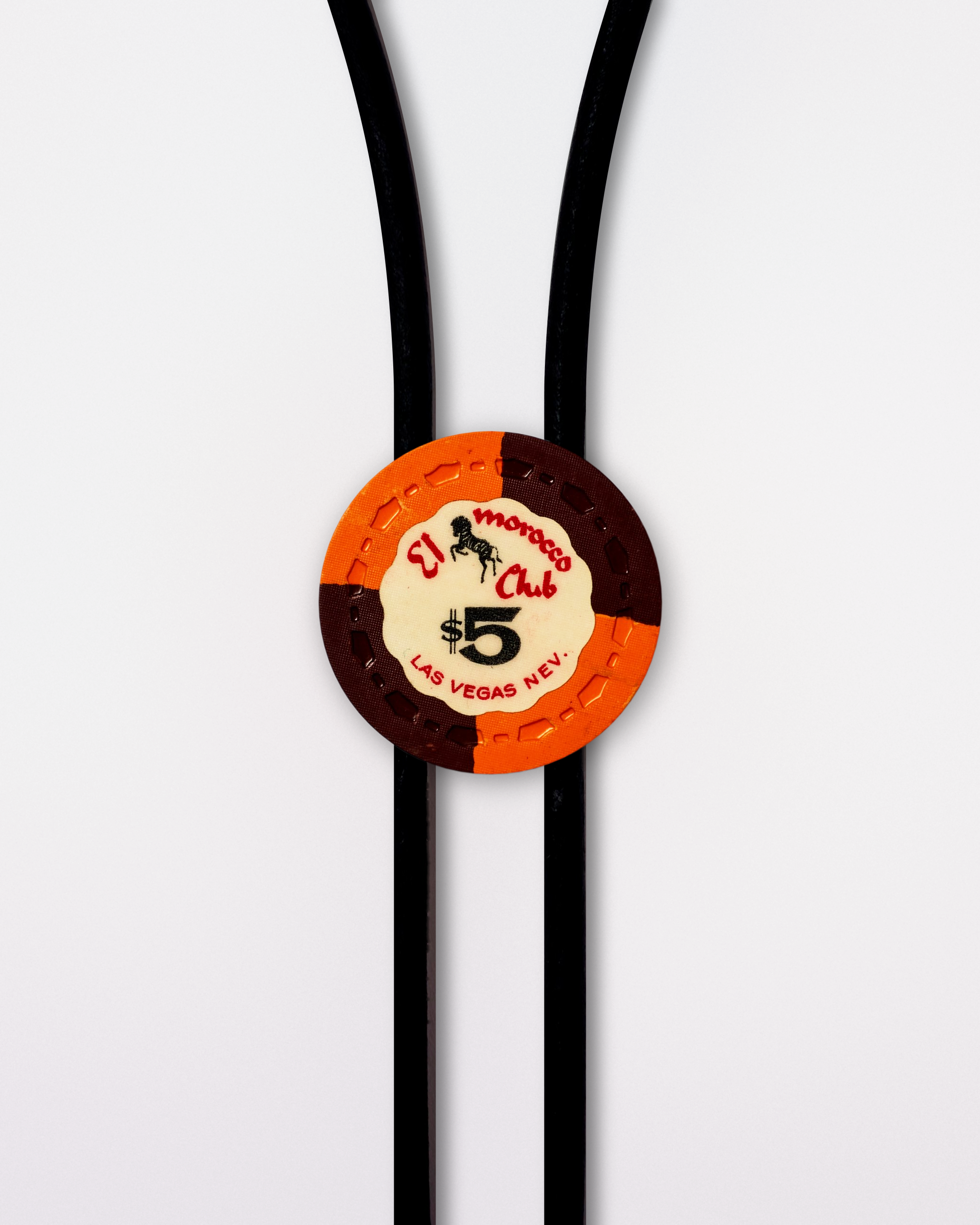 Image 2 of 2
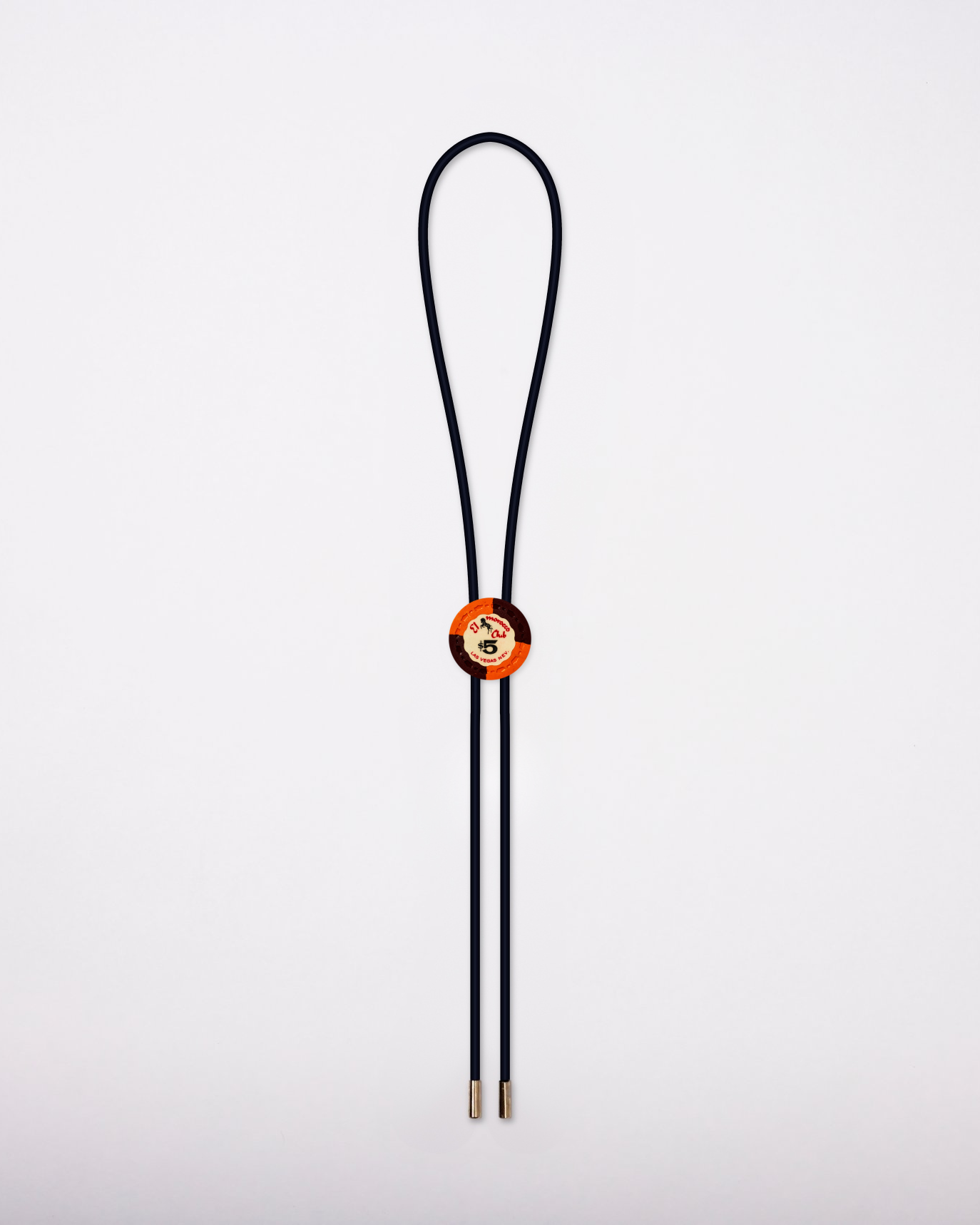
The El Morocco Club opened in 1945 on North E Street in Las Vegas’s Historic Westside, at a time when Black residents and visitors were largely excluded from the city’s downtown casinos and the emerging Strip. While Las Vegas was building its reputation around glittering resorts and grand casino floors, the El Morocco offered a place for the local Black community to gather, socialize, and gamble. Originally opened by Frank Wilson as a bar with slot machines, the club became one of the neighborhood’s important gaming spots, adding blackjack, craps, and poker.
The El Morocco operated in a segregated city, where Black entertainers could perform for white audiences on the Strip but were often barred from its restaurants, lounges, and casino floors. Westside establishments like the El Morocco helped fill that gap, creating spaces for Black patrons and supporting a nightlife scene of their own. The club’s original building was destroyed by fire in 1955, but it reopened under new ownership in 1957. Its revival was short-lived, and it closed again in 1958.
The El Morocco returned in later incarnations as the New El Morocco Club, reopening in 1959 and again in 1963, with gaming operations continuing into 1964. By then, Las Vegas was beginning to move away from formal casino segregation, following a landmark 1960 agreement to desegregate the city’s resorts. Though the El Morocco never achieved the fame of the Strip’s casinos, it remains part of the history of the Historic Westside, a reminder of the neighborhood businesses that gave Black Las Vegas a place to gather and build community during an era of exclusion.