
 Image 1 of 2
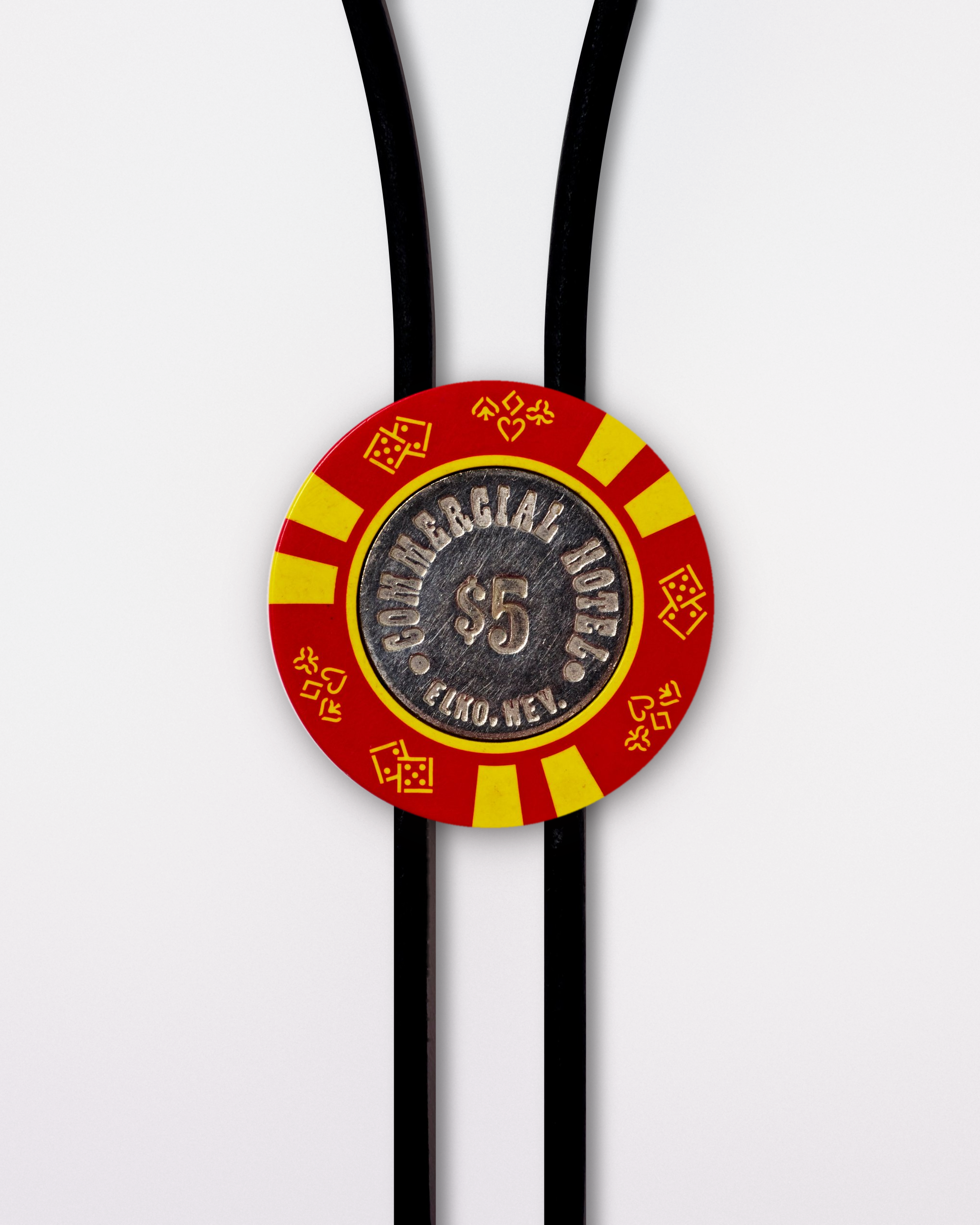 Image 2 of 2
The Commercial Hotel opened in 1931 on Fremont Street in downtown Las Vegas, during a period when the city was beginning to establish itself as a gambling destination. As casinos and hotels sprang up around the railroad town, the Commercial offered travelers a place to stay, eat, and try their luck. Its location near the western edge of downtown made it part of the growing network of businesses serving railroad workers, visitors, and locals as Las Vegas developed into a center for legal gambling.
The hotel became part of the broader history of Las Vegas during segregation, when Black residents and visitors faced discrimination at many of the city's hotels, restaurants, and casinos. While the Strip and downtown gaming establishments largely excluded Black patrons, the Historic Westside developed its own businesses, clubs, and gathering places. Hotels and boarding houses in the area provided accommodations for Black entertainers who performed on the Strip but were not permitted to stay at the resorts where they worked.
The Commercial Hotel's story reflects an era when Las Vegas was changing rapidly, shaped by the growth of gambling, tourism, and a deeply segregated social landscape. Though it never achieved the fame of the city's major casino resorts, it belongs to the history of early Las Vegas, when downtown hotels helped establish the city's gambling industry and the surrounding neighborhoods built communities of their own.