
 Image 1 of 2
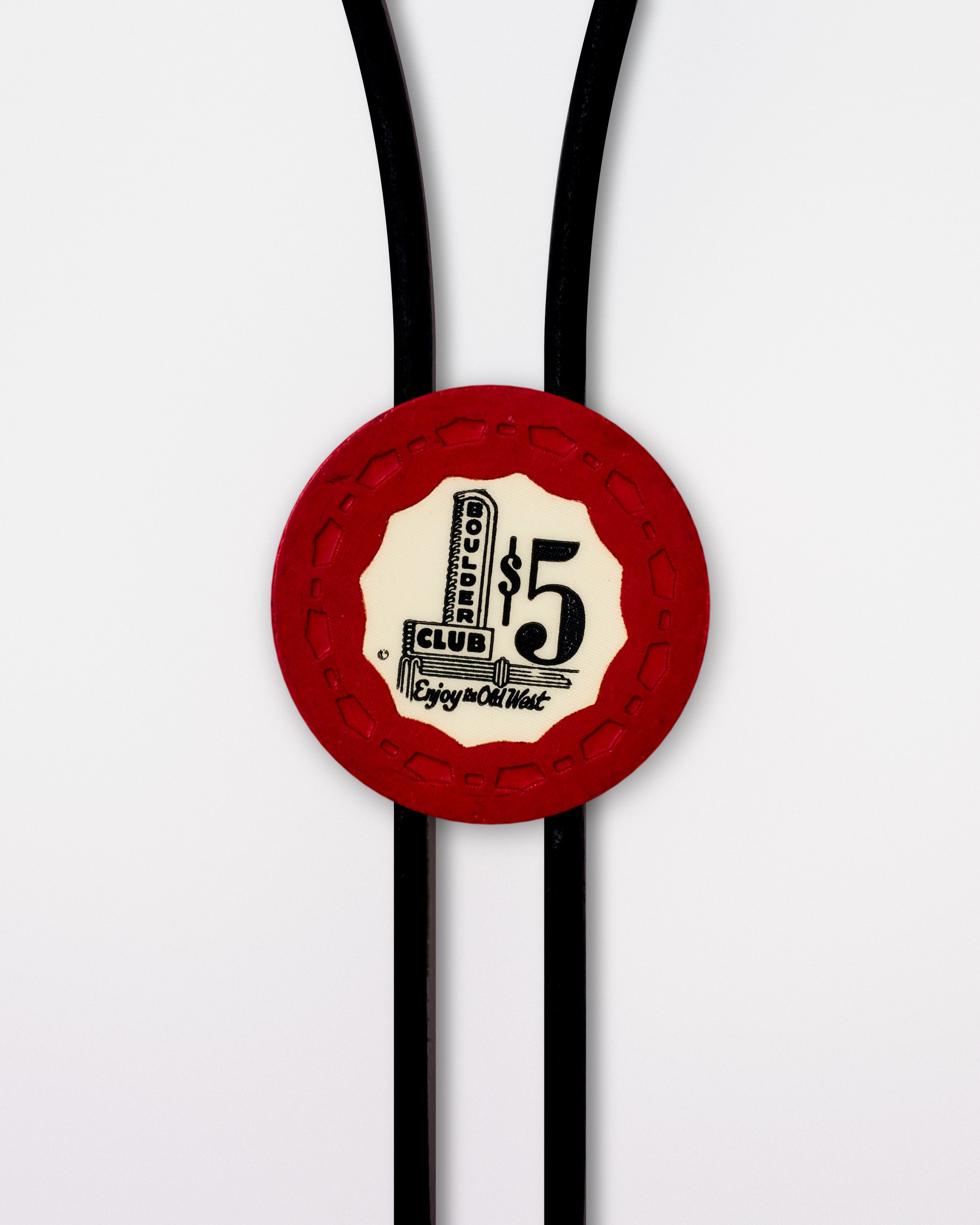 Image 2 of 2
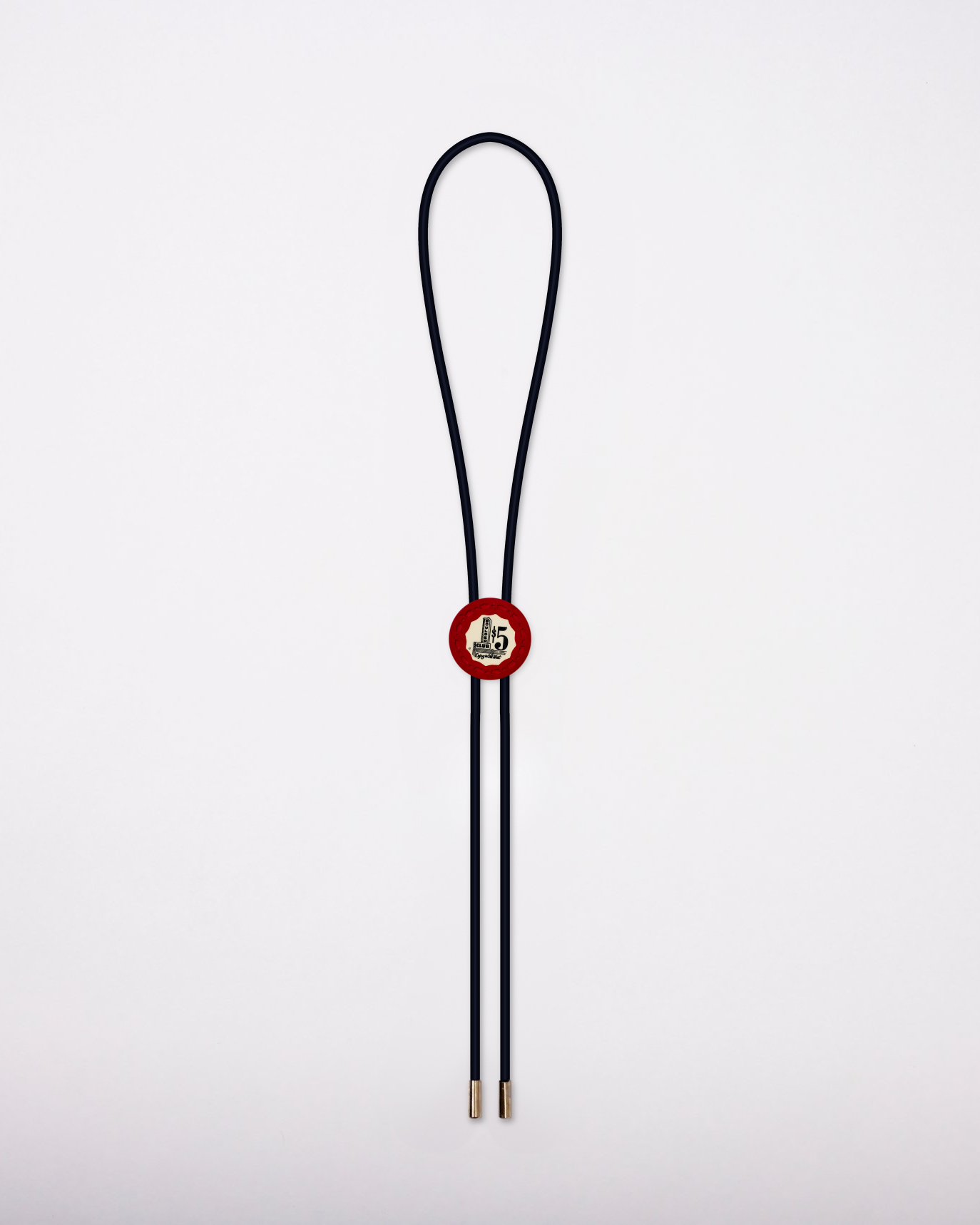
The Boulder Club opened in 1929 on Fremont Street in downtown Las Vegas, when the city was still a rough-edged railroad town and gambling operated in a legal gray area. Located at 118 Fremont Street, the club became one of the city's early gambling halls, offering games to locals and visitors before Nevada legalized wide-open gambling in 1931. As Las Vegas began embracing its new gaming industry, the Boulder Club was among the first establishments to receive a gaming license, helping establish Fremont Street as the center of the city's casino business.
The club developed a reputation as a workingman's hangout, with a straightforward atmosphere that reflected the downtown gambling scene of the era. Its history was closely tied to the evolution of Las Vegas signage. In the early 1930s, the Boulder Club became the first Las Vegas property to feature a neon sign designed and installed by Young Electric Sign Company, better known as YESCO. After the dedication of nearby Boulder Dam in 1936, the club introduced a larger sign featuring a neon representation of the dam, linking its identity to one of the region's defining engineering achievements. The club survived decades of change, including a major fire in 1956 that damaged its second floor but did not destroy the business.
The Boulder Club closed on September 30, 1960, after more than three decades in operation. Its property was absorbed into the neighboring Horseshoe Club, which expanded its casino into the former Boulder Club space. Though the original establishment disappeared, its legacy lives on in the history of Fremont Street, where small gambling halls helped lay the foundation for modern Las Vegas. The Boulder Club was more than an early casino. It was part of the city's transition from a desert railroad stop into a gambling destination, and its pioneering neon sign helped set the visual tone for the spectacle that would come to define downtown Las Vegas.